
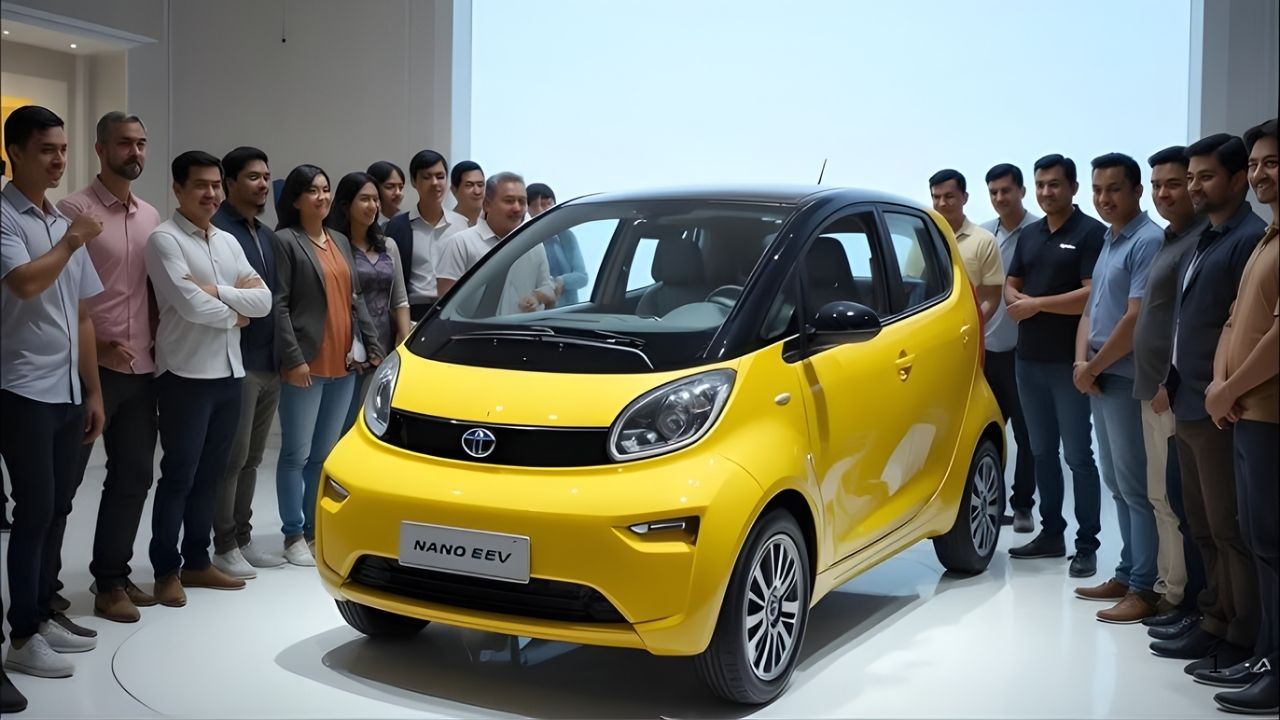
Nano EV 2026 is being discussed as a possible low-cost electric car for Indian buyers who want to shift to EVs without spending too much money. With petrol prices going up and electric vehicles becoming more popular, a small and affordable electric car can be very useful for daily city travel. That is where the idea of Nano EV 2026 fits perfectly.
Although Tata Motors has not officially confirmed Nano EV 2026 yet, many online reports suggest that a Nano-inspired electric car could arrive in the future. The focus of this car is expected to be affordability, easy driving, and low running cost, especially for first-time car buyers and middle-class families.
Expected Price
The biggest reason why Nano EV 2026 is getting attention is its expected low price. Some websites claim a starting price of around ₹2.99 lakh, but realistically, if such a car launches, the price may fall between ₹4 lakh and ₹6 lakh depending on battery size, features, and government subsidies.
Even at this price range, Nano EV 2026 would still be among the most affordable electric cars in India. It can become a good option for people who are currently confused between buying a petrol hatchback or an electric scooter.
Battery, Range and Charging
Nano EV 2026 is expected to come with a small but efficient lithium-ion battery, mainly designed for city use. The claimed driving range seen in reports is around 250–260 km on a single charge, which is more than enough for daily office travel, school drops, and local errands.
Charging is likely to support regular home sockets, which means users can charge the car overnight without installing expensive fast-charging setups. Since it is an electric car, maintenance cost will be much lower compared to petrol cars, as there are no engine oils, clutch repairs, or complex engine parts.
Design and Interior Experience
The design of Nano EV 2026 is expected to be compact and practical. A small body size will help in easy parking and smooth driving on narrow city roads. Inside, the cabin is likely to be simple and functional, offering seating for four passengers.
Basic features like a digital instrument cluster, power windows, mobile charging support, and basic climate control may be offered. The focus will not be luxury, but comfort and usability for daily Indian road conditions.
Safety
Being a budget electric car, Nano EV 2026 is expected to offer essential safety features needed for city driving. This may include seat belts, improved braking system, and a strengthened body structure. Advanced safety features are unlikely at this price point, but basic safety will remain a priority.
The lightweight build and electric motor will make the car easy to drive, especially for new drivers and elderly users. Silent operation and smooth pickup will add to the comfort during daily travel.
Launch Expectation in India
As of now, there is no official launch date announced for Nano EV 2026. Buyers should treat current information as expectations and concepts rather than confirmed details. Once an official announcement is made by Tata Motors or any other manufacturer, clearer details about price, specs, and launch timeline will be available.
Conclusion
Nano EV 2026 represents the idea of affordable electric mobility in India. While it is not officially confirmed yet, the concept itself shows how strong the demand is for a low-cost, city-friendly electric car. If launched with practical range, basic features, and sensible pricing, Nano EV 2026 could become a popular choice for everyday Indian users looking to enter the EV segment without financial pressure.